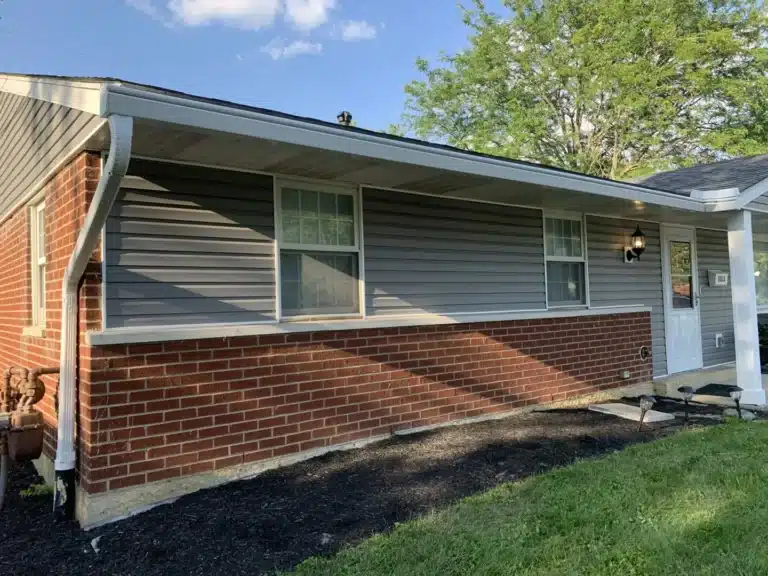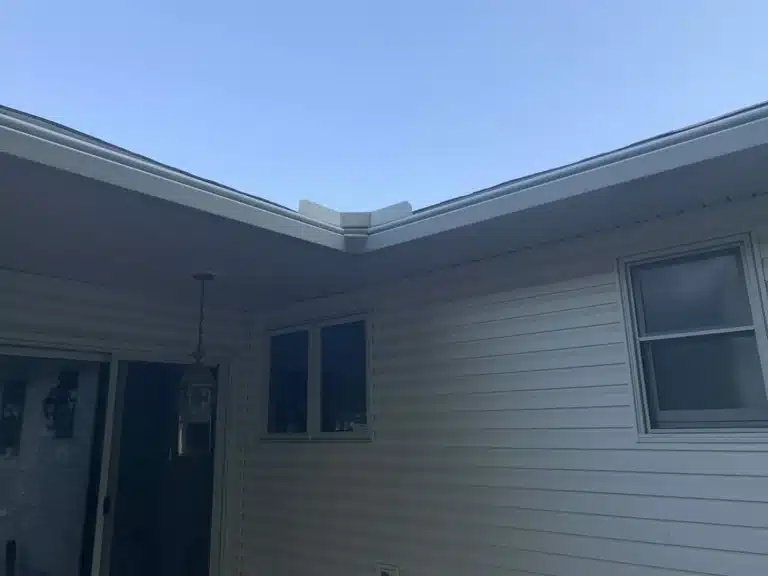
Don’t Get Drenched: The Ultimate Guide to Hiring the Best Gutter Company
Your Fast Answer: Top Things to Know About Companies That Install Gutters
Companies that install gutters are specialized contractors who assess your roofline, remove old gutters, and fit a new drainage system designed to protect your home’s foundation, fascia, and roof edge from water damage.
Here’s what to know quickly:
- Who installs gutters: Licensed gutter contractors, national gutter brands, big-box retailer programs, and local specialists like K-Guard Central Ohio
- Typical cost: $4–$30 per linear foot; most homeowners spend $1,700–$3,100 for a standard system — a full K-Guard leaf-free protected system averages $5,000
- How long it takes: Most homes are done in 1–2 days
- What to look for: Licensed and insured crew, written warranty, quality materials, and clear pricing
- Best upgrade: Installing a covered gutter protection system at the same time eliminates annual cleaning and comes with a lifetime guarantee
Rain gutters do one critical job: move water off your roof and away from your home. When they fail — through clogs, leaks, or sagging — the damage can reach your foundation, your fascia, and even your basement. Yet many homeowners only think about their gutters after something goes wrong.
Choosing the right installer matters just as much as choosing the right system. A poorly installed gutter, even a quality one, can pull away from the fascia, overflow in heavy rain, or trap debris that rots the wood behind it. Getting this decision right protects your home for decades.
I’m Rich Mannino, General Manager of K-Guard Leaf Free Gutters, and I’ve spent nearly two decades working with companies that install gutters — helping homeowners across Central Ohio find systems that actually perform long-term, not just on install day. In this guide, I’ll walk you through everything you need to make a confident, informed hiring decision.
Companies that install gutters word roundup:
Know When It’s Time to Replace Your Gutters With a Protected System
Gutters are easy to ignore until they start behaving like a badly aimed garden hose. In Central Ohio, where spring storms, heavy summer rain, fall leaves, and winter freeze-thaw cycles all take turns testing your home, worn-out gutters can quickly become more than a cosmetic issue.
Old or clogged gutters can cause water to spill over the edge, soak the fascia, splash against the foundation, erode soil, and send moisture where it does not belong. If your current system needs constant attention, it may be time to replace it with a protected system rather than keep patching the same problems.
The Most Common Signs Your Gutters Are Failing
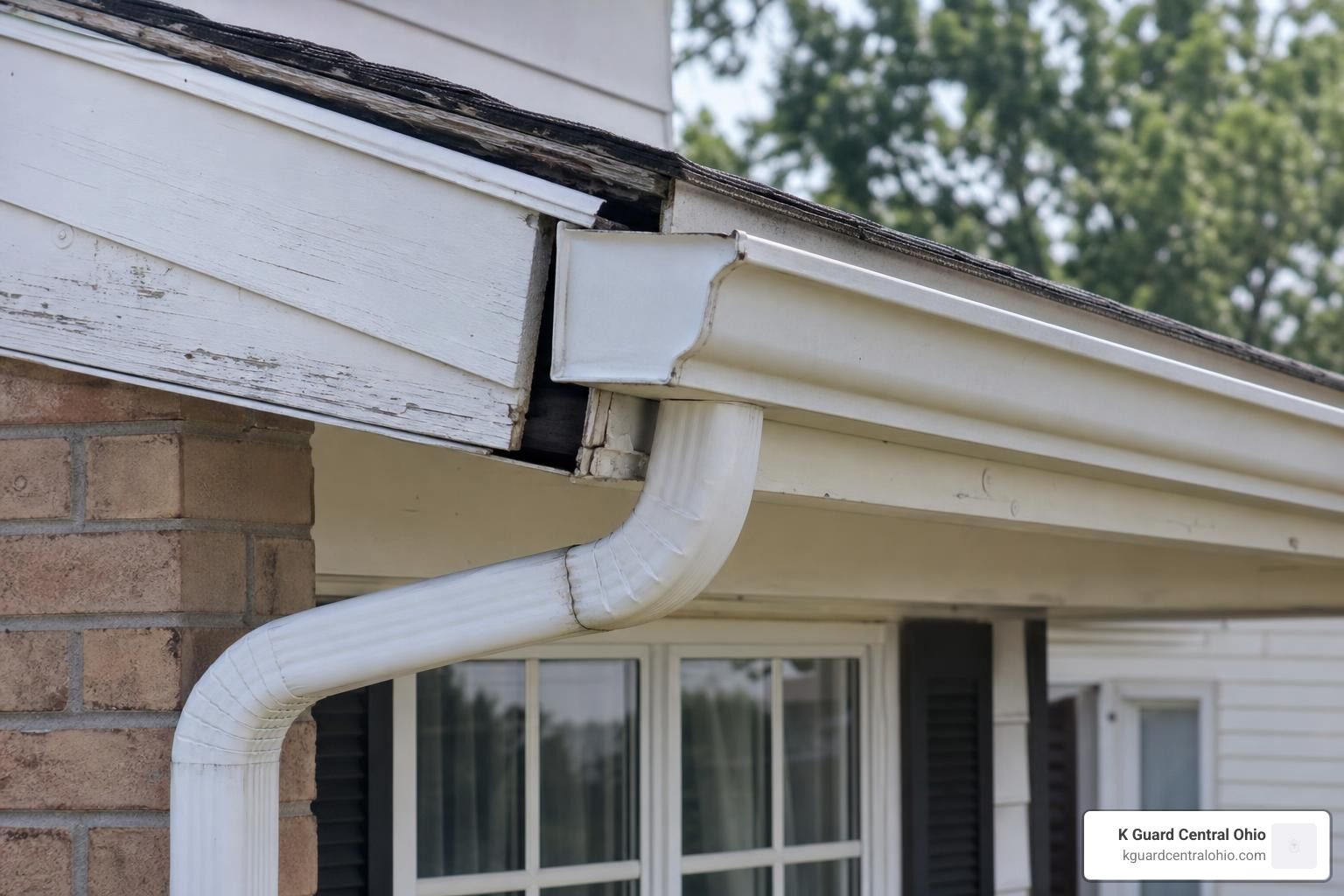
Here are the most common signs that your gutters may need to be replaced:
- Leaks at seams or corners: A drip here and there may seem small, but seam leaks often worsen over time.
- Sagging sections: Gutters should follow the roofline cleanly. Sagging means hangers may be failing or the system is holding too much weight from debris and water.
- Gutters pulling away from the fascia: This can expose the roof edge and allow water to damage the wood behind the gutter.
- Peeling paint or rust spots: These are warning signs that water is sitting where it should not.
- Standing water in the gutters: Properly installed gutters should drain toward downspouts.
- Mold, mildew, or green staining: Moisture around the roofline, siding, or foundation often points to drainage problems.
- Rotted fascia or soffit damage: Water trapped behind gutters can deteriorate wood.
- Basement leaks or damp foundation walls: Overflowing gutters can send water directly toward your foundation.
- Soil erosion or mulch washout: If landscaping under the roofline keeps washing away, your gutters may not be controlling runoff.
- Clogged downspouts: Downspouts that back up repeatedly can cause overflow even if the gutter trough looks fine.
- Widening gaps or visible cracks: Small cracks become larger under heat, cold, and water pressure.
- Frequent repairs: If you keep fixing the same issues, replacement may be the smarter long-term move.
A one-time clog does not always mean you need new gutters. But recurring overflow, water damage, and sagging are strong signs the system is no longer doing its job.
Repair vs. Replacement: How to Decide
Sometimes a repair is enough. If one hanger is loose, one outlet needs resealed, or a small section was damaged by a branch, a targeted fix may buy more time.
Replacement usually makes more sense when:
- The system is older and failing in multiple areas
- You have repeated leaks at seams and corners
- Gutters sag even after being cleaned
- Downspouts clog regularly
- Water is reaching your foundation
- Fascia boards show signs of rot
- You are paying for frequent cleaning or repairs
- You want to stop climbing ladders every year
A protected gutter system changes the decision. Instead of replacing old open gutters with new open gutters, you can upgrade to a covered system designed to shed debris and keep water moving. That means fewer clogs, fewer overflow problems, and no annual gutter cleaning with K-Guard.
Do New Protected Gutters Add Home Value?
New gutters do not usually add value in the same flashy way as a kitchen remodel. Nobody walks into an open house and says, “Forget the countertops, look at those downspouts!”
But protected gutters can help preserve home value in important ways:
- They improve curb appeal with a cleaner roofline.
- They reduce inspection concerns related to drainage.
- They help protect fascia, soffits, siding, and landscaping.
- They reduce the risk of water pooling around the foundation.
- They give buyers confidence that the home has been maintained.
- A strong warranty can be attractive when terms are transferable.
- No annual gutter cleaning is a real convenience for future homeowners.
The biggest value is prevention. Foundation repairs, rotted fascia, and basement moisture problems can be expensive and stressful. A reliable gutter protection system helps stop those issues before they start.
Understand K-Guard Gutter Protection Costs, Value, and Installation Timelines
A gutter project is not just about how many feet of gutter are attached to the house. The final design depends on the roofline, pitch, number of corners, downspout locations, fascia condition, and whether the old system needs to be removed.
For K-Guard Central Ohio, the average installed K-Guard gutter protection system is approximately $5,000. That includes the value of a professionally installed, protected system designed to eliminate annual gutter cleaning and backed by a lifetime guarantee.

| Cost or Project Factor | Why It Matters | Homeowner Advantage |
|---|---|---|
| Home size | Larger homes need more system coverage | Proper water control around the full roofline |
| Roofline complexity | Corners, valleys, and steep areas require careful design | Better drainage during Central Ohio storms |
| Downspout layout | Downspouts move water away from the home | Helps protect the foundation and landscaping |
| Fascia condition | Weak or rotted fascia may need attention first | Stronger long-term installation |
| Old gutter removal | Existing gutters may need to be taken down and hauled away | Cleaner, safer project start |
| Covered protection | Built-in debris control keeps leaves out | No annual gutter cleaning with K-Guard |
| Warranty coverage | Written protection matters after installation | Lifetime guarantee and peace of mind |
How Much a Professional K-Guard Installation Typically Costs
The average K-Guard gutter protection system is approximately $5,000. Your specific estimate can vary based on:
- Home size
- Roofline complexity
- Number of inside and outside corners
- Downspout placement
- Fascia condition
- Removal of existing gutters
- Installation access
- Color and design choices
- Warranty coverage
A good estimate should be clear, written, and easy to understand. You should know what is included, what happens if fascia issues are discovered, how long installation should take, and what warranty protection you receive.
We recommend avoiding vague pricing. If a company cannot explain the estimate in plain language, that is your cue to ask more questions.
What Makes the K-Guard System Different
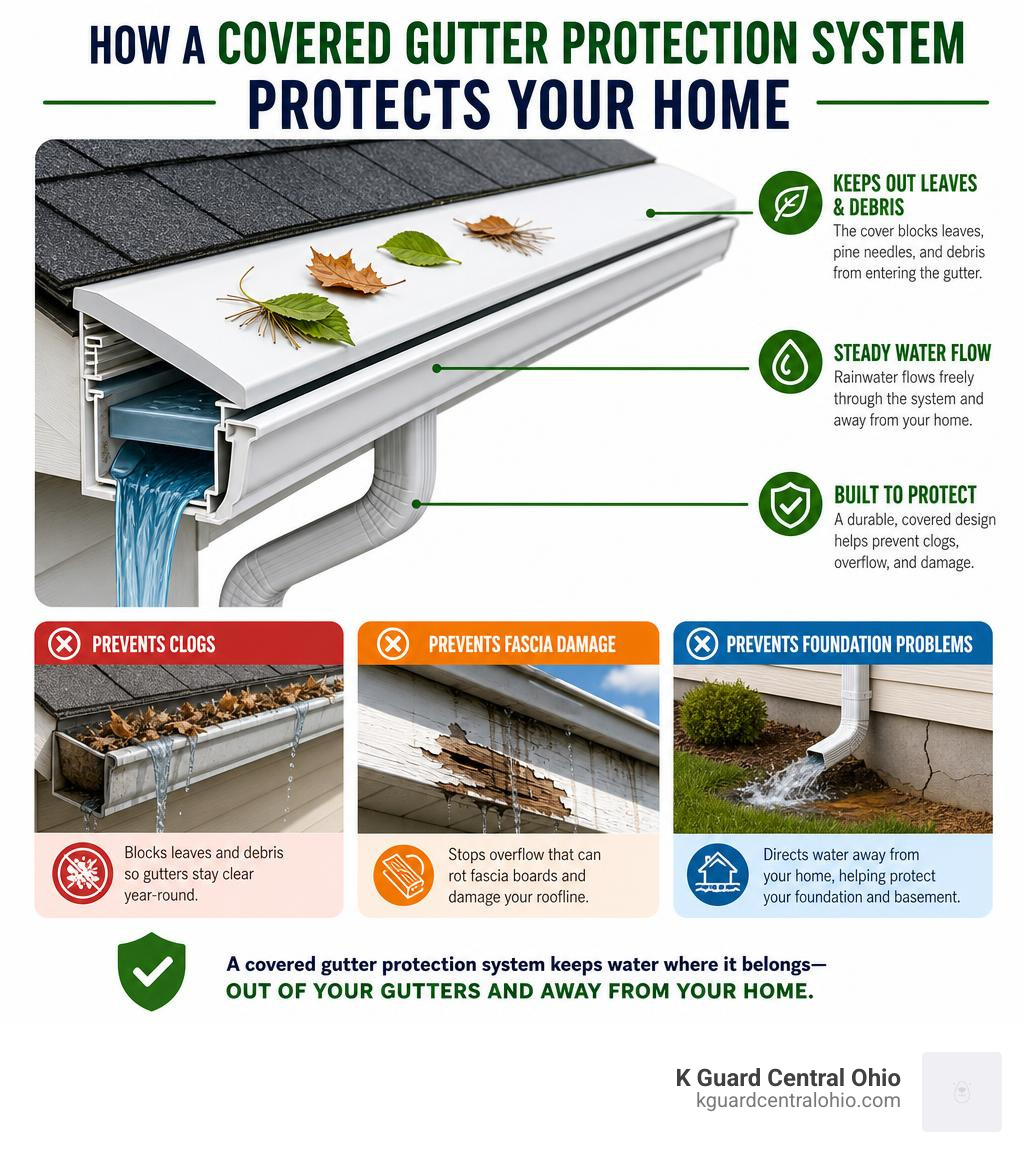
K-Guard is not simply an open gutter with a screen placed on top. It is an integrated covered gutter protection system designed to manage roof runoff while keeping leaves and debris out.
The biggest advantages are:
- Built-in leaf protection: The cover is part of the system, not an afterthought.
- Debris shedding: Leaves, twigs, and other debris are designed to move off the system instead of settling inside the trough.
- Clog prevention: Keeping debris out helps downspouts continue moving water.
- Seamless appearance: The system creates a finished look along the roofline.
- Color options: A protected system can be matched to the home for curb appeal.
- Central Ohio storm readiness: The design helps manage heavy seasonal rain.
- Lifetime guarantee: Long-term protection matters when you are investing in your home.
- No annual gutter cleaning: This is the part homeowners tend to love most.
You can explore our gutter product options to see how the system is designed.
How Long Installation Usually Takes
Most professional gutter installations on average homes take 1 to 2 days. Some simpler projects may be completed faster, while more complex homes can take longer.
Factors that affect timing include:
- Size of the home
- Number of rooflines and corners
- Steep or difficult access areas
- Weather conditions
- Fascia repairs
- Removal of old gutters
- Material preparation
- Downspout layout
- Final walkthrough and cleanup
Complex projects may take several days, especially if wood repair or special access is required. A professional installer should explain the expected timeline before work begins.
Our professional installation process is designed to be efficient, clean, and clear from start to finish.
How to Compare Companies That Install Gutters Before You Hire
Not all companies that install gutters offer the same products, training, installation standards, or warranty protection. Some focus on basic open gutters. Others specialize in covered gutter protection. Some use in-house crews; others rely on subcontractors.
Before you hire, compare more than price. Compare the whole package.
Look for:
- Proper licensing where applicable
- General liability insurance
- Workers’ compensation coverage
- Local Central Ohio experience
- A written estimate
- Clear product details
- A gutter system designed for your roofline
- Strong warranty terms
- A defined installation process
- Good communication
- Cleanup after installation
- No-pressure consultation
- Experience with protected gutter systems
You can also check business profiles and review local service listings as part of your research. For more guidance, read our article on hiring tips for gutter contractors.
Questions to Ask Companies That Install Gutters During an Estimate
A good estimate should feel educational, not like a game show where the price disappears if you do not sign immediately.
Ask these questions:
- Are you licensed and insured?
- Can you provide proof of insurance?
- Do you carry workers’ compensation coverage?
- Who will install the system: employees, subcontractors, or both?
- How much experience does the crew have with this specific product?
- What type of gutter system are you recommending?
- Is the gutter protection built in or added on top?
- How will you determine the right downspout placement?
- Will you inspect the fascia before installation?
- What happens if rotted fascia is found?
- Will old gutters be removed and hauled away?
- How long should installation take?
- What cleanup is included?
- What warranty comes with the system?
- Is the warranty written?
- Is any part of the warranty transferable?
- Are there service call fees or exclusions?
- What maintenance will I still need to do?
- Does the system eliminate annual gutter cleaning?
- Can I get the full estimate in writing?
If a company answers these clearly, that is a good sign. If they dodge the questions, that is also an answer.
Red Flags in Companies That Install Gutters and Gutter Protection Sales Pitches
Be cautious if you notice:
- No written estimate
- Vague pricing
- No proof of insurance
- Pressure to sign immediately
- A “today only” discount that feels forced
- Unclear product details
- No written warranty
- Confusing warranty exclusions
- No explanation of maintenance expectations
- No local service presence
- Poor communication
- Unclear installer credentials
- No promise to remove debris or clean up
- Refusal to explain downspout placement
- Claims that sound too good but are not backed in writing
A quality gutter company should be comfortable explaining the system, the process, and the warranty. You should never feel rushed into protecting your home.
What Warranties Are Typically Offered?
Gutter warranties vary widely. Some companies offer a short labor warranty. Others offer a product warranty from the manufacturer. Some gutter protection systems include no-clog coverage or lifetime protection, but the details matter.
Common warranty types include:
- Labor warranty: Covers installation workmanship for a defined period.
- Workmanship warranty: Protects against installation-related issues.
- Product warranty: Covers defects in materials.
- No-clog warranty: Applies to gutter protection performance, depending on the system.
- Lifetime guarantee: Provides long-term coverage when written clearly.
- Transferable warranty: May pass to a future homeowner, depending on the terms.
Always ask:
- What is covered?
- What is excluded?
- Is storm damage covered?
- Are clogs covered?
- Are service calls included?
- Does the warranty require maintenance?
- Is the warranty transferable?
- Can I see it in writing before signing?
A warranty is only useful if you understand it. For more help evaluating installers, see our guide to choosing a replacement company.
Why K-Guard Gutter Protection Is Worth Considering With New Gutters
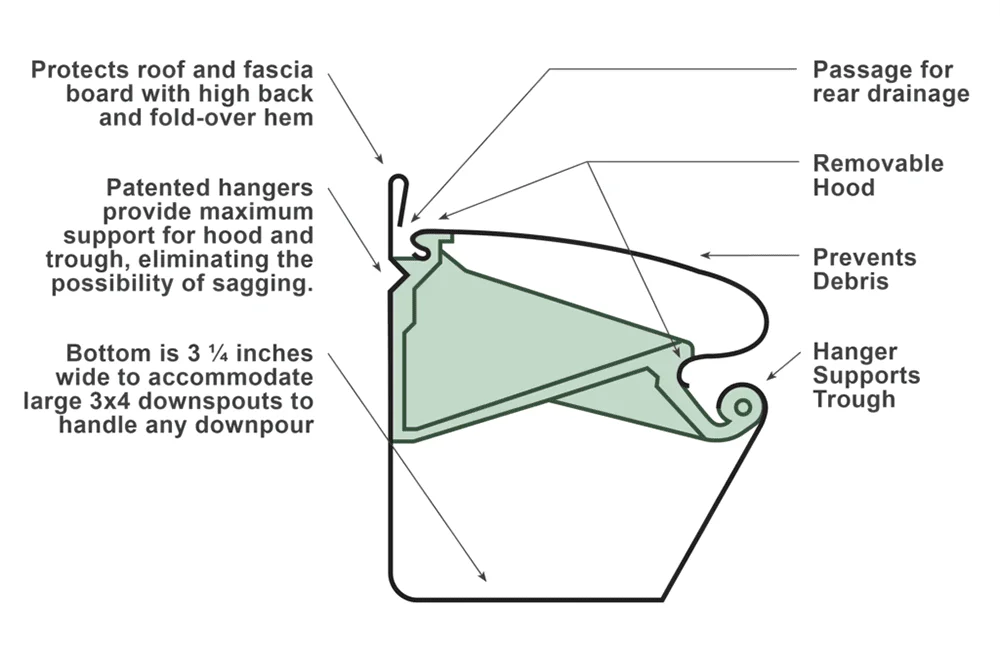
If you are already replacing your gutters, it is the perfect time to consider gutter protection. Installing a protected system from the beginning creates a better fit, a cleaner appearance, and fewer future maintenance headaches.
K-Guard is designed to solve the most common gutter problem: debris buildup. Leaves, pine needles, seed pods, roof grit, and twigs can block water flow in open gutters. Once that happens, water overflows and starts looking for trouble.
And water is very good at finding trouble.
A protected system helps keep water moving through the gutters and downspouts, away from the home. Learn more about how gutter protection works.
Benefits of Installing a Protected Gutter System
The main benefits include:
- No annual gutter cleaning: K-Guard eliminates the yearly chore of scooping out wet leaves and mystery sludge.
- Improved ladder safety: Less climbing means less risk.
- Debris shedding: The system helps leaves and debris move off instead of collecting inside.
- Fewer clogs: Keeping debris out helps water flow.
- Better downspout performance: Clear gutters support clear downspouts.
- Overflow prevention: Less blockage means less spillover during storms.
- Fascia protection: Proper drainage helps reduce moisture behind the gutter.
- Soffit protection: Controlled runoff helps protect roof-edge components.
- Foundation protection: Water is directed away from the house.
- Pest reduction: Less standing debris means fewer nesting opportunities.
- Longer system life: Less debris weight and standing water can reduce strain.
- Cleaner curb appeal: A finished covered system looks neat.
- Lifetime guarantee: Long-term confidence matters.
Homeowner satisfaction with gutter guards is strong across the industry. Research from 2025 found that more than 93% of surveyed homeowners were satisfied or very satisfied with their gutter guard performance. The key is choosing the right system and installer.
How Often Protected Gutters Should Be Checked and Maintained
Traditional open gutters should typically be cleaned at least twice a year: once in spring and once in fall. Homes with heavy tree coverage may need more frequent cleaning.
With K-Guard, annual gutter cleaning is eliminated. That said, we still recommend simple visual checks:
- Look at the system from the ground in spring.
- Check again after heavy fall leaf drop.
- Watch downspouts during strong rain to confirm water is flowing.
- After major storms, look for branches or roof debris.
- If you have heavy tree cover, keep an eye on roof valleys where debris may gather.
- Call for service if you notice unusual overflow, damage, or water where it should not be.
This is not the same as dragging out a ladder and scooping muck by hand. It is basic home awareness, similar to noticing whether your roof, siding, or landscaping needs attention.
How to Prepare Your Home for Professional Gutter Installation
A little preparation helps installation day go smoothly.
Before your crew arrives:
- Clear the driveway so installers can park close to the home.
- Move vehicles away from the work area.
- Move patio furniture, grills, planters, and decorations.
- Unlock gates.
- Keep pets indoors.
- Let household members know work will be happening around the roofline.
- Trim branches that block access, if practical.
- Remove fragile items from walls near areas where fascia work may happen.
- Protect delicate landscaping when possible.
- Make sure outdoor outlets are accessible if needed.
- Check HOA or neighborhood rules if they apply.
- Ask where materials and old gutters will be staged.
- Plan for a pre-install walkthrough.
A professional crew should also take care to protect your property and clean up after the work is complete.
Frequently Asked Questions About Hiring Gutter Installers
Choosing among companies that install gutters can feel overwhelming, especially when every system sounds “premium.” These quick answers can help you focus on what matters.
What should homeowners look for first when choosing a gutter installation company?
Start with the basics:
- Proper insurance
- Local reputation
- Clear written estimate
- Strong warranty
- Quality materials
- Responsive communication
- Documented installation process
- Experience with protected gutter systems
- Service availability in your area
For Central Ohio homeowners, local experience matters. Weather patterns, tree coverage, roof styles, and seasonal debris all affect gutter performance. You can confirm whether we work in your community by visiting our areas served.
Is it better to install gutter protection at the same time as new gutters?
Yes, in most cases. Installing gutter protection at the same time as new gutters gives you:
- Better system fit
- Matched components
- Cleaner roofline appearance
- More efficient installation
- Fewer future labor costs
- Immediate clog prevention
- No annual gutter cleaning with K-Guard
- Lifetime guarantee protection from the start
Adding protection later can work, but a fully integrated protected system is usually the cleaner and more convenient solution.
Is a $5,000 K-Guard gutter protection system worth it?
For many Central Ohio homeowners, yes. The average K-Guard gutter protection system is approximately $5,000, and the value comes from more than the gutter itself.
You are investing in:
- Water damage prevention
- Foundation protection
- Reduced fascia and soffit risk
- No annual gutter cleaning
- Less ladder climbing
- Long-term convenience
- A cleaner exterior appearance
- Lifetime guarantee coverage
- Peace of mind during heavy rain
If your current gutters clog, overflow, or require constant cleaning, the long-term convenience alone can make a protected system worth serious consideration.
Conclusion
The best gutter company is not always the one with the flashiest brochure or the fastest discount. The right installer should explain your options clearly, inspect your roofline carefully, provide a written estimate, and stand behind the work.
Before hiring, remember this checklist:
- Know the signs of gutter failure.
- Decide whether repair or replacement makes sense.
- Ask detailed questions during the estimate.
- Verify insurance and installation experience.
- Review the warranty in writing.
- Choose a system designed to prevent clogs, not just collect water.
- Consider the value of no annual gutter cleaning.
- Look for long-term protection, not short-term patchwork.
At K-Guard Central Ohio, our protected gutter system is designed for homeowners who want a cleaner, safer, lower-maintenance solution backed by a lifetime guarantee. With an average installation cost of approximately $5,000, it is an investment in your home, your foundation, and your weekends.
Ready to stop worrying about clogged gutters? Get a professional gutter protection consultation.