Gutter Guard Benefits: Why You Need to Stop Climbing That Ladder
Why Gutter Guard Benefits Could Save You More Than Just Time
Gutter guard benefits go far beyond keeping leaves out of a metal channel. The right system can protect your foundation, prevent pest infestations, reduce ice dams, and — most importantly — keep you off a ladder for good.
Here’s a quick summary of the core benefits:
- Dramatically less cleaning — 30% of homeowners report zero gutter cleaning after installation; 41% clean just once a year
- Foundation and siding protection — blocked gutters overflow and push water toward your home’s structure
- Pest and bird deterrence — open gutters attract mosquitoes, rodents, and nesting birds
- Ice dam reduction — clear gutters drain properly in winter, reducing freeze-thaw damage
- Improved safety — fewer ladder climbs means fewer fall risks
- Longer gutter lifespan — less standing water means less rust, sagging, and corrosion
- Home value boost — well-maintained, protected gutters improve curb appeal
The stakes are real. Between 2010 and 2014, ladder falls sent over 8,496 people to hospitals in New South Wales alone — and 51 of those falls were fatal. In the U.S., the pattern is no different. Every time you climb up to scoop out a handful of wet leaves and shingle grit, you’re taking on a risk that a good gutter guard system can eliminate entirely.
And the numbers make sense financially too. Professional gutter cleaning costs an average of $162 per visit — and most homes need it two to four times a year. Over a decade, that adds up to anywhere from $1,600 to $15,600. A quality installed system averages around $5,000, and a premium system like K-Guard comes with a lifetime guarantee and eliminates annual cleaning altogether.
I’m Rich Mannino, General Manager of K-Guard Leaf Free Gutters, and I’ve spent nearly two decades helping homeowners across Central Ohio understand the real-world gutter guard benefits that go far beyond what most marketing materials tell you. In this guide, I’ll walk you through everything — from how these systems actually work, to which materials hold up long-term, to whether the investment makes sense for your specific home.
Know your Gutter Guard Benefits terms:
What Are Gutter Guards and How Do They Work?
At their core, gutter guards are protective covers or barriers installed over or inside your home’s gutter channels. Their primary mission is simple: allow rainwater to flow freely through the drainage system while blocking leaves, twigs, pine needles, and other debris from entering and creating clogs.
When rain hits your roof, it flows downward toward the eaves. Without protection, open gutters act like giant nets, catching every falling leaf, seed pod, and shingle granule. Over time, this organic matter decomposes into a thick, black sludge that chokes your downspouts.
Gutter guards change this dynamic by acting as a physical filter. High-quality systems utilize physical principles like surface tension to pull rainwater downward into the gutter trough while forcing leaves and debris to slide off the edge and fall harmlessly to the ground.
For homeowners looking to maximize these drainage benefits, pairing gutter protection with seamless gutters is the ultimate combination. Seamless gutters have no joints or seams along their straight runs, which eliminates the natural catch-points where debris likes to gather. Adding a robust guard system on top of a seamless base creates a highly efficient, continuous drainage highway that keeps water moving away from your home. To understand why this upgrade is so critical for your property’s overall health, explore Why Your Home Needs Gutter Guards Right Now.
Understanding the Mechanics of Gutter Protection
To understand how gutter guards keep your home safe, we have to look at the physics of water diversion and debris filtration.
Different guard designs handle water and debris in different ways. Some rely on physical barriers like screens or micro-mesh to block solid objects while letting water drip through. Others, like reverse-curve or hood systems, rely on liquid adhesion—the scientific principle where water naturally clings to a curved surface. As rain flows over the curved hood, surface tension pulls the water downward into the gutter channel, while leaves, twigs, and pine needles shoot straight off the edge.
This mechanical separation is crucial because your gutters face a wide variety of obstructions:
- Leaves and Twigs: Representing 85% of all gutter blockages, large deciduous leaves can cover an open gutter opening in a single autumn afternoon.
- Pine Needles: These thin, sharp needles easily slip through basic screens and wide mesh covers, making them notoriously difficult to manage.
- Shingle Granules: As asphalt shingles age, they shed sandy granules that settle in the bottom of gutters, creating a heavy, muddy barrier that blocks water flow.
- Downspout Clogs: When fine debris bypasses basic filters, it accumulates at the downspout opening, completely halting your gutter’s ability to drain.
By stopping these materials at the roofline, a properly designed guard system ensures that downspouts remain clear, allowing even the heaviest downpours to drain safely. For a deeper dive into the specific mechanics of these protective systems, check out Stop Climbing Ladders with the Best Gutter Guard Systems.
Key Gutter Guard Benefits for Homeowners
Investing in professional gutter protection delivers a massive chain reaction of protective benefits throughout your entire home.
First and foremost is clog prevention. When water cannot flow through your gutters, it backs up and spills over the sides. This overflow pools directly at your home’s foundation, leading to soil erosion, basement flooding, and costly foundation cracks. By keeping the channels clear, gutter guards ensure water is directed safely away from your home’s structural base.
Second, clear gutters provide vital siding preservation. Overflowing water runs down your fascia boards, soffits, and exterior siding, leading to wood rot, peeling paint, and ugly staining. Over time, constant moisture exposure can even ruin the structural integrity of your walls.
Third, gutter guards offer excellent pest control. Stagnant water in clogged gutters is the perfect breeding ground for mosquitoes, while wet organic debris attracts nesting birds, squirrels, mice, and wasps. A sealed, protected gutter system deprives these pests of a place to nest and breed.
Finally, high-quality metal gutter guards provide a layer of fire resistance. In dry seasons, windblown embers from wildfires or nearby bonfires can easily land in open gutters filled with dry leaves, igniting a house fire. Systems made of non-combustible materials like heavy-duty aluminum act as physical shields, preventing ember ignition. Many premium systems meet strict fire safety standards, such as WUI Fire Class A compliance. Learn more about how these benefits keep your household safe by reading Stop Climbing Ladders with These Top Gutter Guards for Homes.
By choosing a premium system like K-Guard, which averages around $5,000 for installation, you secure a lifetime guarantee that completely eliminates annual gutter cleaning.
Comparing Gutter Guard Designs and Materials
Not all gutter guards are created equal. The market is flooded with various styles, ranging from cheap plastic inserts to high-end, professionally installed systems.
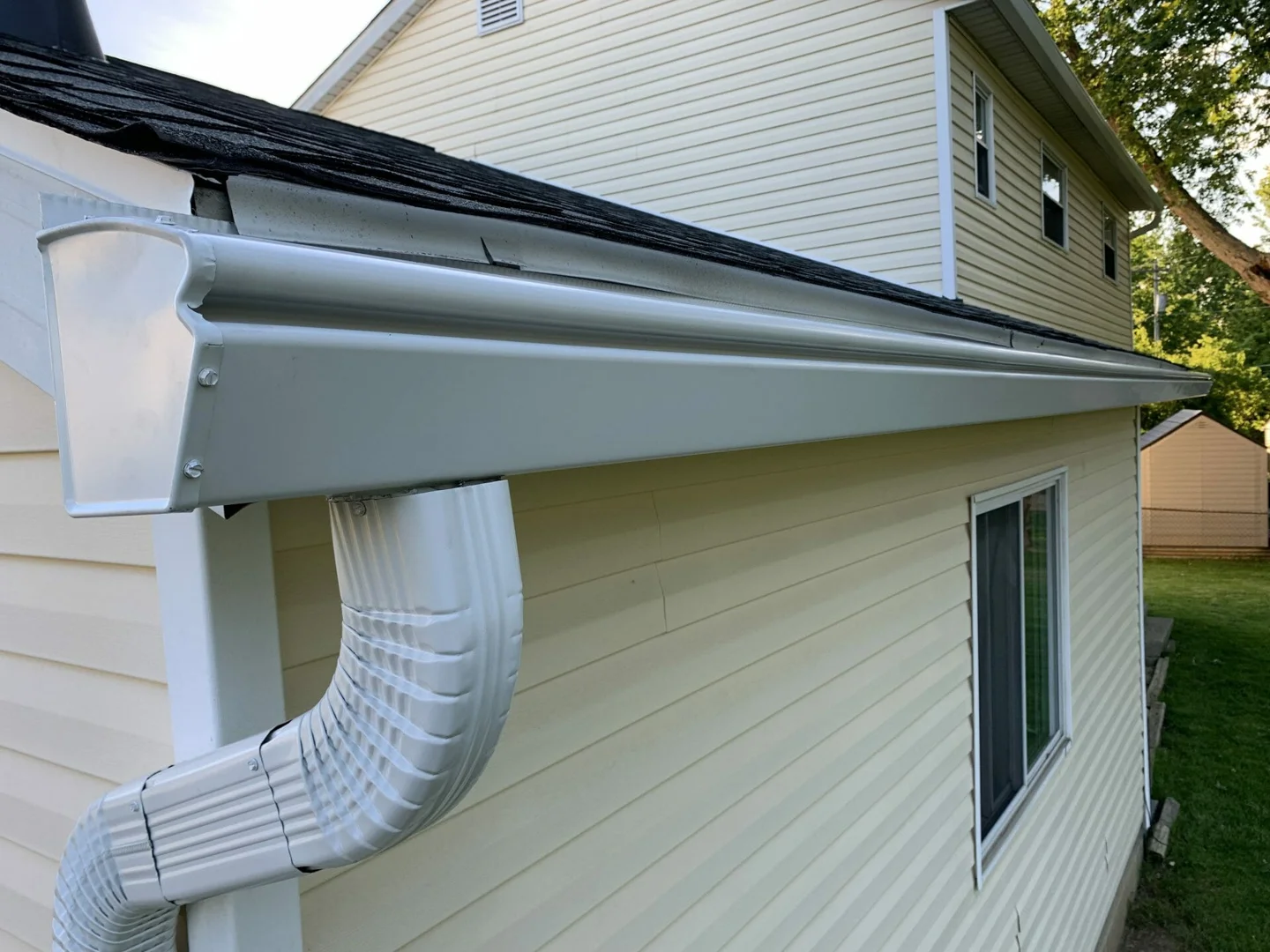
Understanding the differences between these designs is crucial to making an informed choice for your home.
- Screen and Plastic Guards: These are often cheap, snap-in DIY options. While inexpensive upfront, plastic easily warps under the intense summer sun, and wide-open screens quickly become clogged with small twigs and seeds, requiring you to climb the ladder anyway to clean out the guards themselves.
- Foam and Brush Inserts: These sit directly inside the gutter channel. While they block large leaves, foam inserts act like giant sponges, holding moisture and eventually growing moss, mold, and weeds. Brush guards gather pine needles and small debris in their bristles, making them incredibly difficult to clean when they inevitably clog.
- Micro-Mesh Guards: Made of fine stainless steel mesh, these systems are excellent at filtering out even tiny shingle granules. However, they still feature a flat surface where wet leaves can paste themselves, blocking water from entering until you physically sweep the surface clean.
- K-Guard’s Integrated System: Unlike add-on covers that clip onto your existing, potentially damaged gutters, K-Guard is a fully integrated, seamless leaf-free gutter system. It features a high-capacity gutter paired with a patented hood design that uses surface tension to guide water in while completely shedding leaves and debris.
For a comprehensive look at how different styles compare in the real world, you can read the detailed breakdown on Are Gutter Guards Worth It? .
Micro-Mesh vs. K-Guard’s Integrated System
When comparing high-end filtration, homeowners often find themselves choosing between standard micro-mesh guards and K-Guard’s integrated system. While both are superior to cheap screens, they handle heavy rainfall and debris very differently.
Micro-mesh systems rely on a fine metal screen to filter out debris. While they are highly effective at blocking small particles, they suffer from a major physical limitation: they are flat. During a heavy downpour, a thick layer of wet leaves can stick to the top of the mesh, creating a solid barrier. Instead of entering the gutter, rainwater simply runs over the wet leaves and spills over the edge, defeating the purpose of having gutters in the first place.
K-Guard’s integrated hood system utilizes the physics of surface tension. The curved hood naturally pulls water around the nose of the guard and into the gutter, while leaves and debris are pushed straight off the edge by gravity and wind. Because K-Guard is a complete, two-piece system with extra-wide gutters and downspouts, it can handle even the most severe storms without overflowing.
This makes K-Guard particularly effective for Central Ohio’s intense seasonal weather, where heavy summer downpours can quickly overwhelm lesser systems. To see how K-Guard defends your home against extreme weather, explore Heavy Rain Gutter Guards Defending Your Home from the Ultimate Deluge.
Why Material Quality Matters for Long-Term Performance
If you want your gutter guards to last as long as your home, material quality is non-negotiable. Cheap DIY guards made of plastic, vinyl, or thin PVC are highly susceptible to UV damage. Within a few seasons of exposure to Central Ohio’s hot summers and freezing winters, these materials become brittle, crack, warp, and sag under heavy snow loads.
Premium professionally installed systems utilize heavy-duty, weather-resistant metals. K-Guard, for example, is constructed from high-strength, heavy-gauge aluminum that will never rust, corrode, or warp. It is mounted securely to your home’s fascia board using patented all-weather polymer hangers, ensuring the system remains rigid and properly pitched even under heavy ice and snow.
Investing in commercial-grade materials means you won’t have to worry about wind lifting the guards or heavy storms tearing them away from your roofline. For more insights on choosing durable materials that stand the test of time, read Are Gutter Guards Worth It? A Complete Homeowner’s Guide – ELMENS .
If you are looking for local expertise, scheduling a professional inspection is the best first step. Homeowners in our area can find exceptional service and permanent protection with K Guard Central Ohio. Understanding your local environment is key, which is why choosing a system designed specifically to handle our unique climate is the best way to protect your home long-term.
The Financial Reality: Costs vs. Long-Term Gutter Guard Benefits
When evaluating gutter guard benefits, look at the numbers. While some homeowners are tempted by the low upfront cost of DIY options, these temporary fixes often lead to repeated expenses, structural damage, and eventual replacement costs.
| Gutter Guard System Type | Upfront Installation Cost | Expected Lifespan | Maintenance Required | Warranty Protection |
|---|---|---|---|---|
| DIY Plastic / Foam Inserts | $300 – $800 | 1 – 3 Years | Frequent manual cleaning and regular replacement | None |
| Standard Professional Micro-Mesh | $2,000 – $4,500 | 5 – 10 Years | Occasional surface brushing and inspection | Limited material warranty |
| K-Guard Integrated System | Approx. $5,000 (Average) | Lifetime | None (Self-cleaning design) | Lifetime No-Clog Guarantee |
As the table shows, cheap DIY alternatives are short-term band-aids that require ongoing maintenance. A professional, integrated metal system is a permanent home improvement that pays for itself over time. To dive deeper into these cost dynamics, read Gutter Guard Costs and Whether They Are Actually Worth It.
Upfront Installation Costs vs. Annual Cleaning Fees
Let’s break down the math of gutter maintenance. The national average cost for a single professional gutter cleaning is $162. However, for homes in heavily wooded areas of Central Ohio, gutters often need to be cleared three to four times a year to prevent winter ice dams and spring clogs.
If you pay for professional cleanings:
- 2 Cleanings per Year: $324 annually / $3,240 over 10 years
- 3 Cleanings per Year: $486 annually / $4,860 over 10 years
- 4 Cleanings per Year: $648 annually / $6,480 over 10 years
This doesn’t even account for the rising cost of labor or the structural damage that occurs when a cleaning is delayed and gutters overflow. When you compare these recurring costs to a one-time investment in a permanent system, the professional option quickly becomes the most financially sound choice. You can calculate your own property’s potential savings by checking out Calculate Your Gutter Guard Costs Without Losing Your Mind.
Evaluating the ROI of Premium Gutter Guard Benefits
The true return on investment of a premium gutter guard system goes far beyond simple math. It includes invaluable peace of mind, physical safety, and long-term home preservation.
When you choose K-Guard, you receive:
- A Lifetime No-Clog Guarantee: If your K-Guard system ever clogs, we will come out and clean it for free. This completely eliminates the need for future cleaning expenses.
- Increased Home Value: A fully transferable lifetime warranty is a massive selling point for future buyers, boosting your property’s marketability and curb appeal.
- No More Dangerous Ladders: You can finally pack away the extension ladder, eliminating the risk of costly medical bills and life-altering falls.
Investing in a premium, lifetime-guaranteed system protects your home’s foundation, siding, and roof from water damage, preserving your equity for decades to come. Learn more about evaluating this return on investment at Professional Gutter Protection Services Are They Worth the Investment.
Frequently Asked Questions About Gutter Guards
Many homeowners have valid questions when researching gutter protection. Let’s clear up some of the most common misconceptions about how these systems perform over time.
For a comprehensive guide to what you should expect after your installation, read Installed Gutter Guards What Every Homeowner Near You Needs to Know.
Do gutter guards eliminate the need for cleaning?
The honest answer depends on the system you choose. Standard screen or micro-mesh guards reduce the frequency of gutter cleanings, but they do not eliminate maintenance entirely. Leaves, pine needles, and pollen can still collect on top of flat mesh surfaces, requiring you to sweep or hose them off periodically to prevent water overshoot.
However, a premium integrated system like K-Guard is designed to be completely maintenance-free. Because of its patented curved hood and seamless construction, gravity and wind naturally clear away leaves and debris, completely eliminating the need for annual gutter cleaning.
How long do gutter guards last?
Cheap plastic or vinyl DIY guards typically last only one to three years before warping or cracking under UV exposure. Standard aluminum or stainless steel insert guards can last between 10 and 20 years, depending on the quality of the installation.
K-Guard is built to last for the lifetime of your home. Constructed from heavy-duty, non-corrosive aluminum and backed by a lifetime warranty, it will never sag, rust, or degrade, providing permanent peace of mind.
Can gutter guards prevent ice dams and pests?
Yes! Clogged gutters are a primary cause of ice dams in Central Ohio. When melting snow cannot drain through frozen, leaf-filled gutters, it backs up under your shingles, freezes again, and damages your roof. By keeping gutter channels completely clear, water can flow freely to the downspouts, significantly reducing the risk of ice dam formation.
Additionally, a fully enclosed system like K-Guard prevents pests like birds, rodents, squirrels, and mosquitoes from nesting or breeding in your gutters, keeping your home healthier and safer.
Conclusion
At the end of the day, your home is likely your largest financial investment. Protecting it from the devastating effects of water damage shouldn’t require you to risk your physical safety on a dangerous ladder multiple times a year.
By investing in a professional gutter protection system, you secure a massive array of gutter guard benefits—from foundation and siding protection to pest deterrence and ice dam prevention. While cheap DIY fixes offer temporary relief, they ultimately fail to deliver long-term value.
With K Guard Central Ohio, you get a premium, fully integrated, seamless system designed to handle the heaviest downpours our climate can throw at it. Backed by an industry-leading lifetime guarantee, it completely eliminates annual gutter cleaning for an average installation cost of approximately $5,000.
Ready to say goodbye to that shaky ladder forever? Schedule a free estimate with K Guard Central Ohio today and let our team of local experts provide the permanent protection your home deserves.